Key Findings
Five major themes emerged from the analysis of survey responses, interviews, and historical grant data. Taken together, they offer a comprehensive picture of what makes LZF distinctive, what its grantee partners value most, and where opportunities for growth and deepened impact lie.
Finding #1
Trust-Based, Relationship-Centered Philanthropy Is the Foundation of LZF’s Impact and Multi-Year Funding is Transformative.
A hallmark of what makes The Lenny Zakim Fund unique and what grantee partner organizations spoke to in interviews and in survey responses alike, is the deeply personal quality of their relationship with LZF. LZF’s model is rooted in genuine partnership: knowing grantee partner organizations and their leaders by name and by situation, engaging them as experts in their own communities, and maintaining a presence that is consistent, accessible, and non-judgmental. In a sector where many funder relationships feel transactional or evaluative, grantee partners describe LZF as something completely different. This culture of relationship-first philanthropy is not incidental to LZF’s impact, it is the mechanism through which impact flows.
In addition, LZF’s multi-year, unrestricted funding model is widely recognized by grantee partner organizations as a distinctive and powerful form of support that provides the stability that short-cycle project grants rarely allow. Over the 30-year history of The Fund, the structure of multi-year grantmaking has evolved and expanded, reflecting LZF’s ongoing effort to align long-term support with organizational readiness and field needs. LZF currently funds organizations for 5 years. Of the 431 grantee partner organizations in The Fund’s history, 97 organizations (22.5%) received 3 years of grants (the most common duration) while 15 organizations (3.4%) received between 10 and 20 years of LZF funding. At the same time, grantee partner organizations and partners raised thoughtful questions about transitions, particularly about what happens when multi-year support ends, and how organizations are prepared to be sustainable beyond the funding relationship.
“LZF leads with trust, accessibility, and a deep understanding of grassroots organizations, making the relationship feel collaborative rather than transactional.”
88% of survey respondents said they had built a trusting relationship with LZF through its multi-year grantmaking approach. Grantee partner organizations described this trust as both practically enabling and emotionally sustaining, a combination that is rare in their experience of philanthropy.
Finding #2
Early-Stage and Grassroots Organizations Depend on LZF in Ways No Other Funder Replicates.
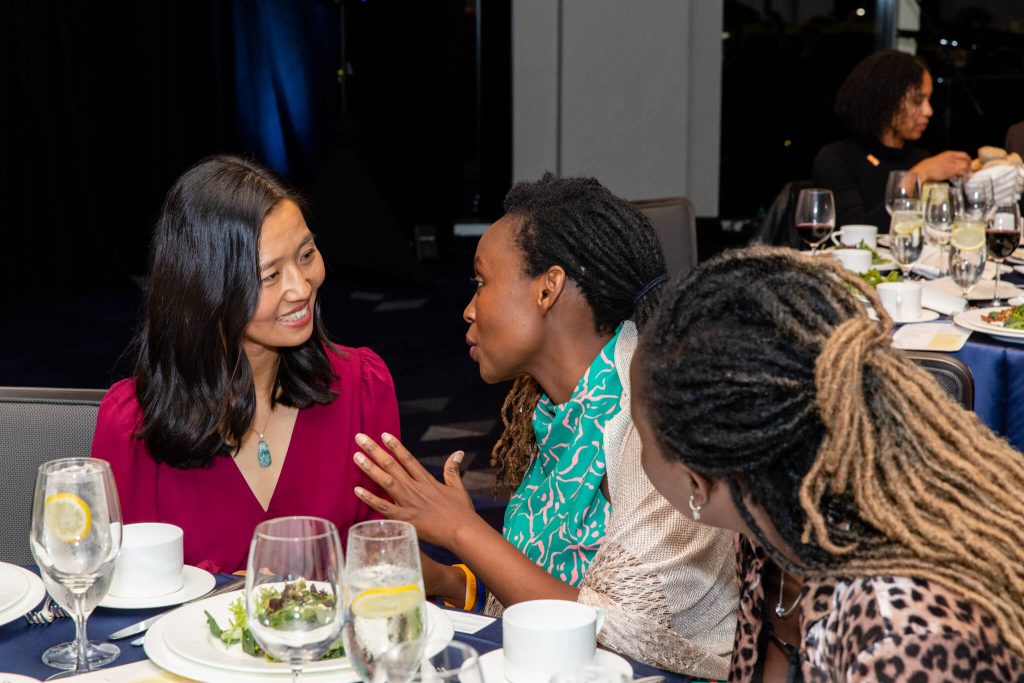
LZF fills a critical and largely unoccupied niche, as it funds the smallest, most under-resourced organizations, which are often the ones that are too new or too small to meet the requirements of larger funders. For many grantee partners, LZF was not just helpful early on, it was essential for their survival and growth. Beyond the financial support itself, LZF’s endorsement functions as a form of social capital, a signal to other funders that an organization is credible, vetted, and worth backing.
“It was like the first stamp of approval, if the Lenny Fund thought you were worth a shot, even if you were teeny tiny and scrappy, it meant something to other funders.”
Survey data demonstrates how central LZF has been to grantees’ organizational progress. Fifty-six percent of respondents identified LZF as their first, or among their first, institutional funders. The ongoing effects of that early investment are clear.
95% of organizations rated LZF’s grantmaking opportunities as extremely valuable.
93% of respondents said LZF helped their organization become successful.
95% of organizations rated LZF’s grantmaking opportunities as extremely valuable.
93% reported that LZF funding enabled them to better support underserved communities in Eastern Massachusetts.
93% reported that LZF funding enabled them to better support underserved communities in Eastern Massachusetts.
Finding #3
Capacity Building Is Among LZF’s Most Valued Contributions, Especially When It Is Personalized.
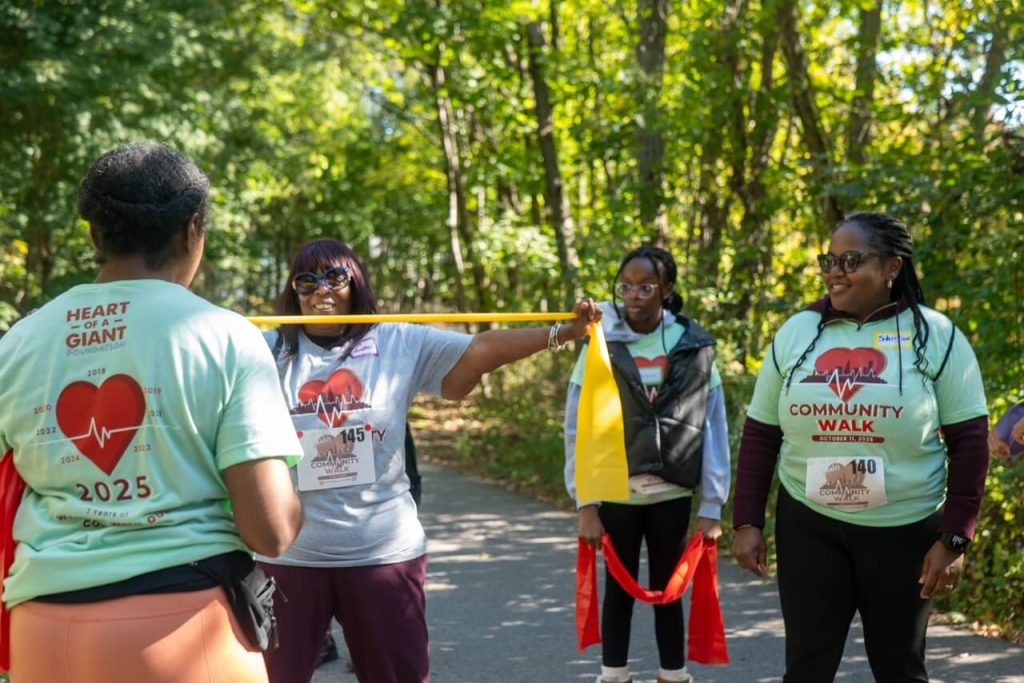
Grantee partners consistently identify LZF’s capacity building offerings as transformative. What distinguishes LZF’s approach is the combination of practical skill development, individualized coaching, and a genuine responsiveness to where each organization actually is in its development. For many grantee partners, especially those led by first-time executive directors or community-rooted leaders without formal nonprofit training, LZF’s capacity building fills a gap that no other resource in their environment addresses. In addition, grantee partner organizations value this support because it is embedded in a relationship with LZF; it does not feel like a compliance requirement, but like genuine investment in their growth.
“Focusing on capacity building, rather than putting vague restrictions on the funding, is a better use of time… If you’re focused on the capacity building, and the grant is just kind of an entrée, I think that’s more powerful.”
Survey data confirm that the value grantee partner organizations place on capacity building is both widespread and deep.
85% of respondents rated LZF’s capacity building opportunities as extremely valuable.
89% reported that their staff gained knowledge that allowed them to work more effectively.
78% said as a result of participating in LZF capacity building activities, their leaders feel more confident, supported, and empowered to care for the communities they serve.
Over 70% reported they are in a position to grow, sustain operations, and have raised additional funds as a result.
Finding #4
LZF’s Community and Network Building Is Inseparable from Capacity Building and Creates Lasting Value.

While grantmaking, capacity building, and community building are often described as three distinct pillars of LZF’s work, grantee partner organizations experience them as fully interwoven. The relationships formed in community settings, for example at annual gatherings, award ceremonies, and convenings, are themselves a form of capacity building. Grantee partner organizations gain knowledge, referrals, and partnership opportunities through peer connections that would not exist without LZF creating the space. For executive directors of small organizations who often work in isolation, these connections are both professionally useful and personally sustaining.
“I have direct relationships now with several people who I would not have known about or met. I can email them directly and say, what do you think about this situation?”
Survey data confirm that the community building dimensions of LZF’s work generate lasting, concrete outcomes for participating organizations.
73% of organizations rated LZF’s community building opportunities as extremely valuable.
79% have been able to broaden their personal networks, reaching more people in their communities and beyond.
75% reported that their leadership and staff benefited from peer knowledge and resource sharing with other LZF grantee partners.
73% have been able to build lasting connections with peers through the LZF community.
Finding #5
LZF’s Field Leadership is Highly Valued and is an Opportunity for Change.
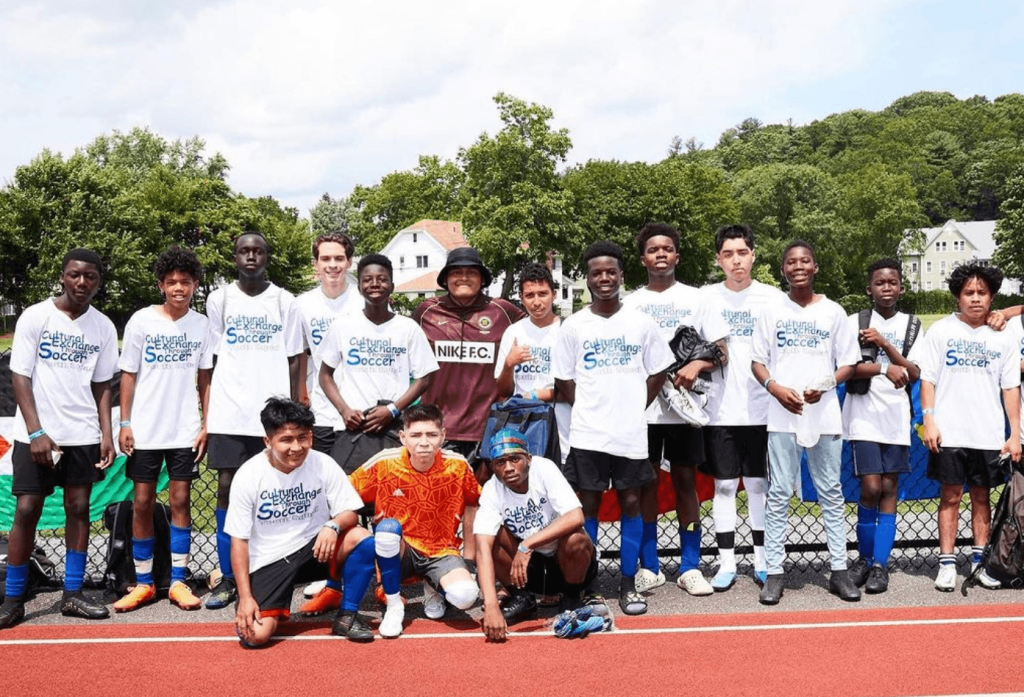
Grantee partners, community partners, and funder peers consistently described LZF’s model as exemplary and called for it to be replicated, written about, and advocated for. Given the current political and funding climate, where trust-based, grassroots-centered philanthropy is more necessary than ever, interviewees and grantee partner organizations expressed a clear desire to see LZF step into greater field-level visibility and assert a stronger public voice on behalf of the organizations and communities it serves.
“LZF invests in the organization behind the work. They merge funding, capacity building, and ecosystem development. By combining leadership development with practical skills, LZF provides support that addresses the real challenges small, community-centered nonprofits face. The staff is engaged and accessible, and the peer cohort model enhances support. Together, these elements could not be replicated by any single funder relationship. This delivers confidence, connection, and capacity. That understanding, and their model to deliver on all three, sets this relationship apart.”
Implications and Next Steps
The findings of this study point toward several clear strategic opportunities for LZF as it moves forward. What follows are areas to consider related to the three priorities that motivated this study.
Influencing the Field Through Leadership
The clearest implication of this study is that LZF has earned a more prominent public role in shaping philanthropic practice. At a moment when trust-based philanthropy is gaining national attention and the needs of grassroots organizations are serious, LZF is positioned to be a leading voice. This might take the form of published thought leadership, participation in national philanthropic convenings, strategic partnerships with peer funders, or more proactive public communication about LZF’s approach.
Strengthening Grantee Partner Transitions
The study surfaced a recurring question about what happens when multi-year funding relationships end. Grantee partner organizations who had received sustained support described the transition period as a vulnerable time, particularly for smaller organizations whose capacity gains during the funding period have not yet been fully institutionalized. LZF might consider developing more transition planning as part of its multi-year grant relationships. This could include structured conversations in the final year of a grant about sustainability, alumni network integration, and continued access to capacity building resources, as several grantee partners mentioned that capacity building resources were still available to them after they were no longer funded. Another suggestion heard from grantee partners was LZF connecting them to other potential funders, whether that be through referrals, convenings or private communications.
Deepening and Communicating Impact
This study confirms that LZF’s model generates significant, multi-dimensional impact but much of that impact has been invisible because it has not been systematically documented or communicated. A priority for the future should be developing a clear, accessible impact narrative that translates the findings of this study into language that resonates with funders, partners, board members, and potential donors. The quantitative data on grantee outcomes, combined with the qualitative richness of grantee voices, provides a powerful foundation for that narrative.
At the same time, LZF has an opportunity to move toward more ongoing, systematic impact measurement to build an evidence base that strengthens The Fund’s credibility and enables continuous learning. Having the goal of not being burdensome for grantee partner organizations, simple, relationship-based data collection embedded in existing touchpoints such as annual convenings, could go a long way toward this goal.
Thirty years ago, The Lenny Zakim Fund began with a simple but radical premise: that the smallest organizations, doing urgent work, in under-resourced communities, would benefit from a funder who believes in them before anyone else does.
Conclusion
That premise has not changed. What has changed is the scale of The Fund’s impact, the depth of its relationships, and the data that makes the case that its model is more compelling than ever.
The findings of this study documents about what trust-based, relationship-centered philanthropy produces when practiced with consistency over decades. It empowers organizations that grow into thriving community institutions. It empowers leaders who are more confident, skilled, and connected. It empowers a network of grassroots nonprofits that support one another, learn from one another, and collectively move the needle on social, economic, and racial justice in eastern Massachusetts.
The organizations in LZF’s grantee community have said, in both the survey and in interviews, that what The Fund provides cannot easily be replicated or replaced. The work now is to ensure that more organizations and communities can access what LZF has spent three decades learning how to offer, and to communicate why that kind of partnership matters.
In addition, this study is an invitation to consider how LZF can sustain and deepen what it has built by developing clearer impact measures, by strengthening the transitions that grantee partner organizations navigate as funding relationships evolve, and by stepping into the field leadership role that its thirty-year track record has earned.
LZF began as a bridge between funders and grassroots organizations, between aspiration and capacity, between isolation and community. Thirty years later, that bridge is stronger than ever.
Grantee Partner Case Study
Father's Uplift
Giving kids the skills they need to succeed in the 21st century and beyond. (Funded 2018-2022)

“We’ve benefited from the pro bono legal assistance from DLA Piper. We received guidance in obtaining our office space in Roxbury, MA. This was a challenging process. Nonetheless, the assistance we received from the attorney we were assigned was great. He was patient with us, explained the process, and represented our interests… We also received some great advice and support from Mrs. Beth Dill (LZF Board Member). She gave us some helpful fundraising and budgeting tools that we plan on implementing this year. Another benefit would be the information that was shared at the spring training. Asking for money can be a difficult task. The presenter helped us look at fundraising in a different manner. This was a huge takeaway for our organization.”
Co-founded in 2011 by husband-and-wife team, Dr. Charles Daniels, Jr. and Samantha Fils-Daniels, Fathers’ Uplift’s mission is to empower fathers striving to be a positive force in their children’s lives. Having experienced fatherlessness as a child himself, Dr. Daniels set out to help men show up for their children. While Fathers’ UpLift primarily serves men, approximately 89% of whom identify as Black and/or Hispanic, the organization supports people of all backgrounds through direct services, reentry support, mother and father allyship, and workforce development.
Upon becoming a grantee partner in 2015, the organization was completely volunteer-run, operating with a $31,000 and aspirations of serving 20 families that year.
Fathers’ UpLift received three years (2015-2017) of grant funding from LZF totaling $50,000. By the end of 2017, their total reported operating revenue had grown to a little over $200,000, allowing them to employ a paid staff of three who were responsible for serving 70 fathers and families. In 2018, Fathers’ UpLift was chosen by the Social Innovation Forum as one of their 2018 Social Innovators; soon after, Dr. Daniels was named a 2019 Obama Foundation Fellow.
As of 2024, Fathers’ UpLift employed a staff of 36 people and reported operating revenue of a little over $2.8 million. Since their founding, Fathers’ UpLift has served over 18,000 fathers and family members between its Dorchester office in Boston and Cincinnati, Ohio office, which opened in September 2025.
33 Arch Street, 26th Fl. | Boston, MA 02110 | (617) 406-5945 | office@thelennyzakimfund.org
The Lenny Zakim Fund is a tax-exempt, 501(c)3 organization under the IRS. | EIN 04-3485146