“I’m used to handling things on my own… [I’m] a single parent, and I’m really glad I came,” Co-Director of Translate Gender, Eva Rocheleau read from a recent email from their phone, “My kids felt like they fit in, which is huge for our family… I didn’t even realize how much I needed this.” While this is just one section of the many messages the Translate Gender team receives from their program participants; it demonstrates what is at the heart of their impact: feelings of relief and joy.
Founded in 2006, Translate Gender describes themselves as a “trans-led consensus-run nonprofit.” Based in Northampton, the organization provides a wide variety of support programming and training services for trans and gender expansive young people and the people who love and support them across all four counties of Western Massachusetts. The organization originated from a Smith School of Social Work student project that created volunteer-led family gatherings in Hampshire County. Twenty years later, the organization runs monthly gatherings in three counties (Hampshire, Hampden, and Berkshire) to support the families of queer and trans youth.
Alongside their larger scale gatherings, Eva and Mr. J, another co-director of the organization, detailed the wide-ranging spectrum of Translate Gender’s other programming. The organization runs the PAL (Possibility Adult Leader) Mentorship program which connects different trans and gender expansive youth with trans adult mentors, designed to “foster meaningful, consistent relationships that allow youth to see and learn from thriving trans adults.” Translate Gender also offers trans youth book clubs, theatre and art programming, all-ages community events, open studio drop-in space for tweens and teens, as well as a community garden plot to allow their community members to give back to their own neighbors.
These programs, even those as straightforward as a book club or community movie night, can make a big difference in a queer youth’s life. “We had a youth who really struggled with being engaged with friends or making them in their school. They had switched to homeschooling and were just not finding their people,” Mr. J described, “They joined our theater group and their parents shared concerns at the beginning that ‘they’re having a lot of anxiety, they’re not leaving the house, they’re not talking to people,’ and to see the transformation by the end that they were on stage singing and dancing and being excited to attend rehearsals and playing with glitter and makeup… [it was incredible] to see them really come out of their shell because they were surrounded by their own peers and they were given a space to express themselves with support… that might not have happened if they hadn’t had that program.”
The Translate Gender team has also been working to build out programming specifically by and for queer and trans communities of color. Working collaboratively with their QTBIPOC collective, the organization is focusing on creating spaces and gatherings particularly for communities of color. After the organization hosted a Black trans dinner party, one attendee approached Mr. J with gratitude, sharing the impact the event had had on them, explaining that “this is the first and only time [they’ve] been around so many Black trans people,” and that for once they felt like one of many, rather than being the one and only.
It is extremely important to the Translate Gender team to prioritize their communities’ voices in everything they do, including programming which is shaped by community members, and the organization itself. Over the last five years, the team has focused on redesigning their own internal power structures and leadership design to ensure the team reflects the communities they are serving. Mr. J described the importance of these shifts: “We are trans led and trans focused. That has had a really big impact that our organization has seen. The difference in not only helping community, but being from the community that you are from helping or working with.”
This year marks Translate Gender’s fifth and final year as a Lenny Zakim Fund grantee partner. Over the years, the TG team has participated in a variety of LZF offerings, from our day-long learning institute to online webinars to taking the chance to work with a consultant this year on a larger organizational project. Through all of the educational opportunities, something that truly stands out to the team is the community they’ve found with LZF staff and other LZF grantee partners. “I feel like not only can I come to [LZF Staff]… But if there are like specific kinds of things I need, I can go to the WhatsApp group [of other grantee partners]… I think [LZF has] done a really stellar job at generating a sense of community in a way that is just not present in most other funders,” Eva shared.
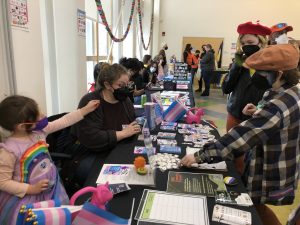
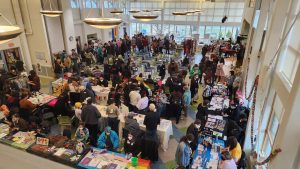
Each March, Translate Gender hosts their Trans Day of Visibility Resource and Art Fair, which brings together hundreds of people with vendors and organizations from across Western Massachusetts. 2025’s fair was attended by over 650 people and “featured over 30 resource tables,15 artists, a clothing swap, notary services / name change help, and live performances including drag and musicians.” This gathering is one of their two annual events; the other being a yearly gathering in November in honor of Trans Day of Remembrance; bringing their community together “to process what is our collective grief around trans murders, death, those we have lost because of systemic oppression in this past year and beyond,” Mr. J voiced. Amidst continued attacks on LGBTQ+ communities, Translate Gender remains committed to showing up and caring for trans and gender expansive Massachusettsians and their families and invites us all to do the same.
________________________________
To learn more about Translate Gender’s work, visit their website here. Find their upcoming events and programs here. As they wrap up their 20th Anniversary year, we encourage you to help them jumpstart their next twenty years. Find more information about the different ways you can support their work here.